The 7 Questions Your Houston Insurance Adjuster Will Ask About Water Damage Restoration
Published: 2026-04-22 · By RapidFlow Water Damage Repair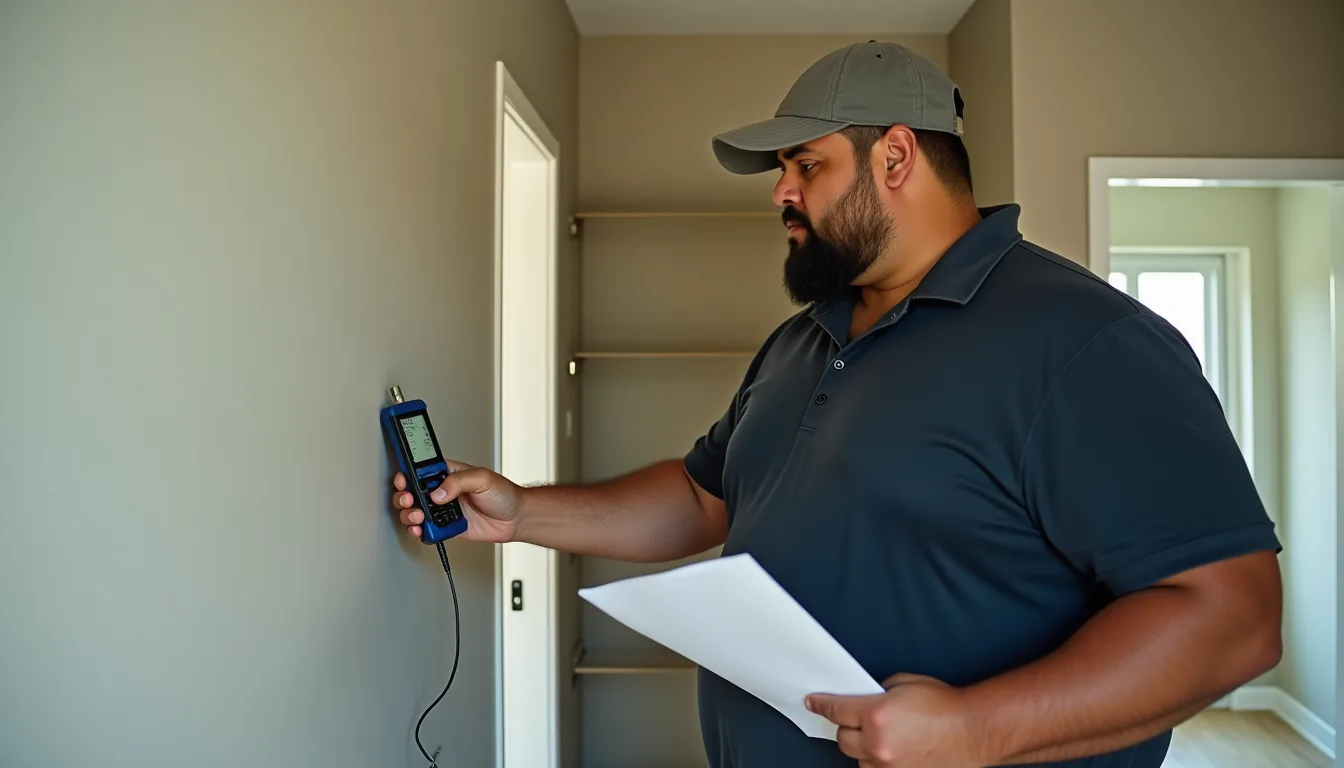
Imagine returning home after a stormy weekend in Houston, only to find your living room drenched with water from a leaking roof. You might think, 'How do I deal with this? Do I call my insurance, or can I handle it myself?' The aftermath of water damage restoration can be stressful, especially when you know that an insurance adjuster will soon start asking questions that impact your claim. The answers you provide will shape how your restoration process unfolds and can significantly affect your finances.
Why This Matters for Houston Homeowners
Water damage issues in Houston can escalate quickly due to the region's extreme heat and high humidity. Homeowners often face complications like mold growth and structural deterioration, which can result in costly repairs if addressed improperly. And with hurricane season looming from June to November, the risk of significant water damage is heightened, leaving many in a vulnerable position.
Knowing your coverage and how to navigate the restoration process is vital. The insurance adjuster will likely focus on the source of the water damage, how quickly it was reported, and whether it was preventable. With Houston's clay soil leading to foundation concerns, water ingress can often originate from shifting foundations, complicating claims further.
Failure to provide precise answers may result in claim delays or denials, which is a serious concern in a city where every dollar counts, particularly for flood-impacted homeowners.
Expert Solutions & Actionable Tips
1. Documenting the Damage
From photographs to receipts, documentation is critical when dealing with water damage. Houston residents should take extensive photos of the affected areas to provide a clear timeline and assess the extent of the damage. Aim for a detailed visual record that can showcase how the damage evolved. Costs for repairs can range anywhere from $1,500 to over $20,000 depending on the severity, so ensure you have this evidence ready for your adjuster.
You should also keep receipts for any emergency work you've performed. This documentation can bolster your claim and provide further clarity for your insurance adjuster.
2. Understanding Your Policy
Not all water damage is covered under standard homeowners' insurance policies. Homeowners in Houston should carefully review their policies to understand what is included—typically, sudden and accidental damage is covered, while gradual damage may fall outside of coverage. It's advisable to specifically check how flood and hurricane-related incidents are addressed.
Consider contacting your insurance agent for a policy review to avoid unpleasant surprises when you're in need. Flood insurance can be particularly crucial in a hurricane-prone area, with additional costs incurred if your property is located in a high-risk zone.
3. Emergency Response Timing
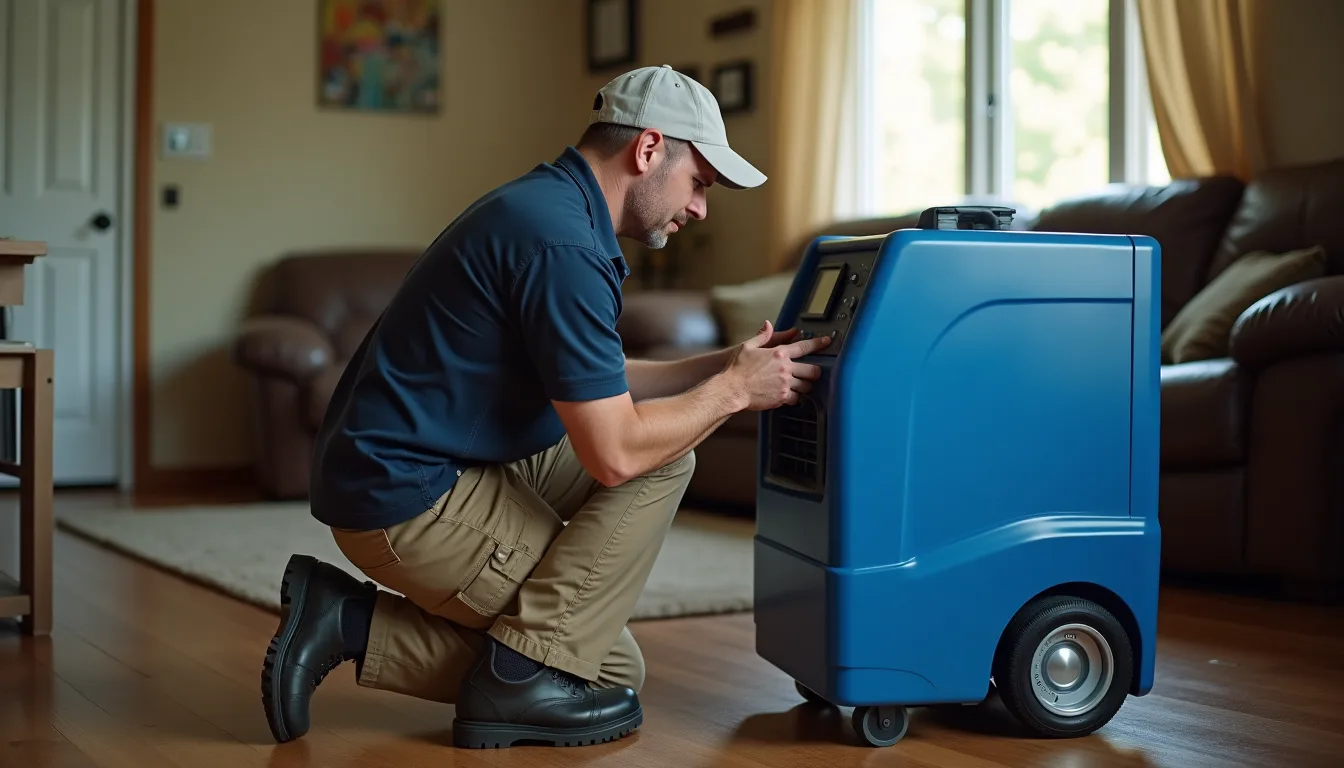
After ensuring everyone’s safety, acting quickly in the aftermath of water damage is crucial. According to industry experts, the first 24 to 48 hours following a water incident are vital for minimizing permanent damage and controlling mold growth. In Houston, where humidity exacerbates these risks, the quicker you act, the better your odds of preserving your property.
It's essential to contact a water damage restoration service like RapidFlow Water Damage Repair within this window. Their prompt intervention can range in cost from $500 to $5,000 on average, significantly reducing long-term expenses.
4. Assessing Cause of Water Damage
Identifying the source of water damage is fundamental for your insurance claim. Adjusters are keenly interested in how the event occurred—was it a leaky pipe, heavy rainfall, or a compromised roof? In the Houston area, foundation issues due to clay soil expansion and contraction can complicate situations, leading to basement or crawl space flooding.
Understanding these causes can assist in presenting your case effectively. If a foundation issue is the culprit, you may need to consider additional restoration services, which can vary significantly in cost.
5. Choosing Between DIY and Professional Help
Wading through flooded areas can be dangerous and problematic, leading many homeowners to ask whether they should tackle cleanup themselves or call in the pros. For minor leaks, DIY methods might suffice; however, extensive flooding or mildew growth usually requires professional intervention.
In Texas, the cost of hiring professionals can range significantly—typically $3,000 to $7,000—depending on the severity of the damage. Evaluate whether you have adequate time and resources before deciding.
6. Future Prevention Strategies
Once your restoration is complete, it’s crucial to consider future preventative measures. Regular maintenance checks on your foundation, roof, and plumbing can save Houston homeowners significant headaches. Also, considering the city’s climate, improving drainage around your property can minimize risks from heavy storms.
Investing in gutter cleaning, downspout extensions, and foundation repairs can range from a few hundred to thousands of dollars but offers peace of mind that your home is safeguarded against future water damage.
Houston Climate & Local Context
Houston’s unique climate poses distinct challenges for homeowners. The city is characterized by extreme heat and high humidity, creating a breeding ground for mold and mildew, particularly after water damage has occurred. In addition to the relentless heat, severe thunderstorms and hail can intensify the chances of roofing issues, leading to leaks and subsequent water damage. As a result, many homes experience wear and tear that necessitates regular renovation and proactive maintenance to combat the local weather's impact.
Furthermore, the prevalent clay soil in Texas can exacerbate foundation problems, resulting in leaks and water intrusion. Houston’s homes often require vigilant inspections to prevent structural issues that might lead to water-related disasters. Familiarizing oneself with local building codes and permits is also crucial, as they dictate standards for repairs to ensure safety and compliance with regulations.
When to Call a Professional
Deciding whether to handle water damage restoration yourself or hire professionals can be daunting. While small spills or leaks may seem manageable, certain scenarios clearly signal a need for expert help. Homeowners should consider engaging a professional service like RapidFlow Water Damage Repair in any of the following situations:
- Floodwater exceeding a few inches in depth.
- Visible mold growth.
- Water damage originating from sewage or chemical sources.
- Prolonged water exposure (over 24 hours).
- Weak or sagging floors indicating structural damage.
- Essential plumbing elements that have compromised integrity.
- Post-storm damage to roofs or ceilings.
- Inability to contain water spread effectively.
In these instances, swift action is crucial, and relying on qualified professionals can prevent further damage and ensure comprehensive restoration. In many cases, local pros can save homeowners money in the long run by addressing issues correctly the first time.
Frequently Asked Questions
What should I do first after discovering water damage?
First, ensure your safety and shut off the power if needed. Next, document the damage with photos and inform your insurance company immediately. RapidFlow Water Damage Repair can help you assess the situation quickly.
How quickly must I act to prevent further damage?
It's crucial to act within 24 to 48 hours as mold can start to develop rapidly in humid conditions like Houston's. Contacting professionals early can save you significant costs and headaches.
What are common sources of water damage in Houston homes?
Common sources include roof leaks from severe thunderstorms, plumbing failures, and foundation issues stemming from shifting clay soil. Each of these can lead to significant damage if not addressed promptly.
Does homeowners insurance typically cover water damage?
Homeowners insurance generally covers sudden and accidental water damage. However, gradual leaks or damage due to lack of maintenance are typically not covered, so reviewing your policy is critical.
How can I prevent mold growth after water damage?
To prevent mold growth, dry out affected areas promptly, ideally within 24 hours, and maintain low humidity levels. It may also be beneficial to consult with RapidFlow Water Damage Repair for thorough remediation.
Get Expert Water Damage Restoration Service in Houston
If you find yourself grappling with water damage in your Houston home, don’t hesitate. Reach out to RapidFlow Water Damage Repair today for expert assistance tailored to the challenges of our local climate.
Timely action can make all the difference in restoring your property and protecting your investment. Call now!